
Best Tumble Dryers UK 2026: Heat Pump, Condenser & Budget Picks
Looking for the best tumble dryer in the UK? This guide compares heat pump, condenser and budget tumble dryers for different homes, including families, flats, smaller spaces and higher-use households.
The best tumble dryer is not always the cheapest or most expensive model. The right choice depends on running costs, drum capacity, drying performance, noise, available space and whether you care more about upfront price or long-term value.
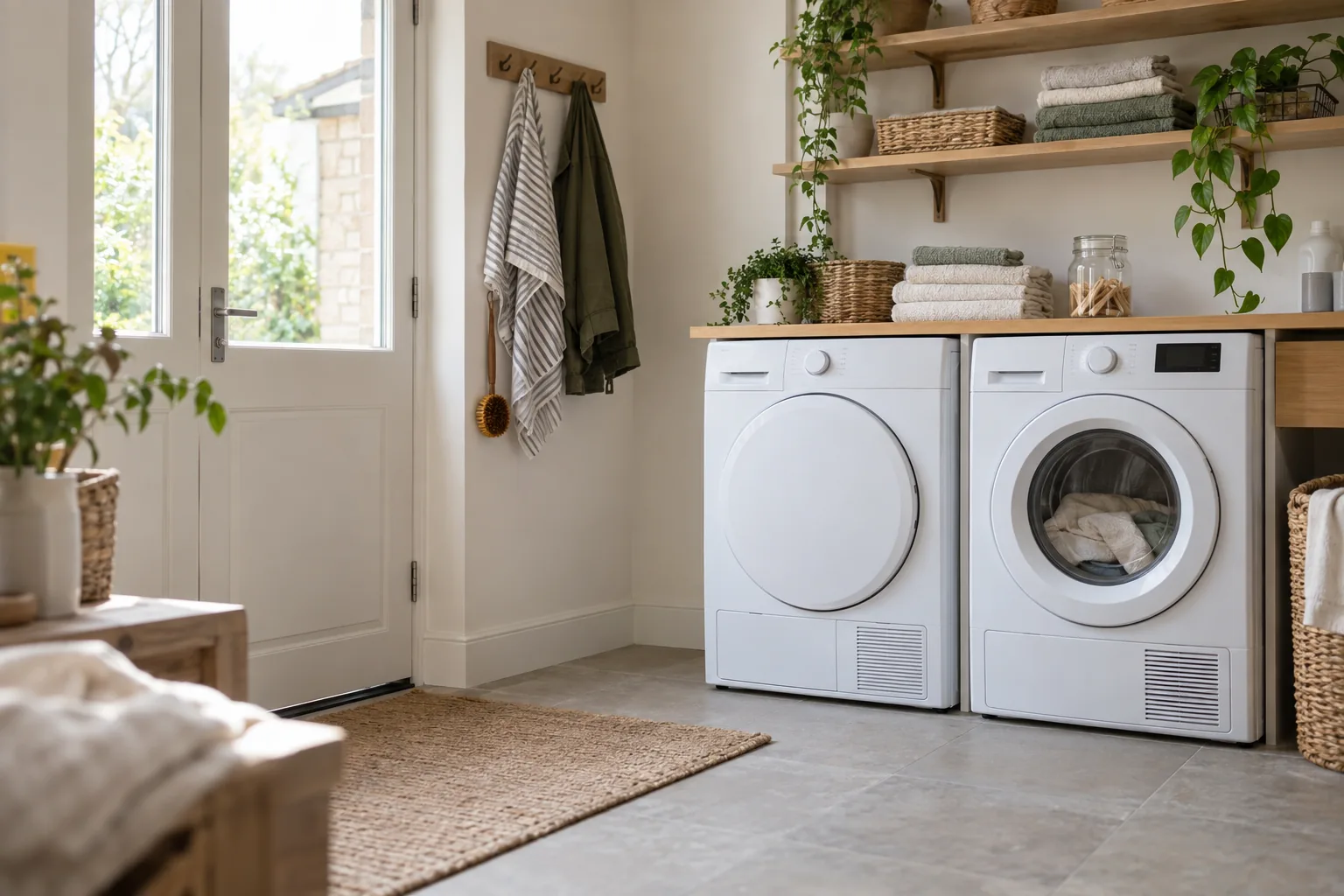
Not every "best" tumble dryer is best for every home
If you use a dryer regularly, running cost and dryer type matter much more. If you only use it occasionally, upfront price may matter more than long-term efficiency. If you are unsure, compare heat pump vs condenser first, then use the running cost calculator to estimate ownership cost.
Best tumble dryer picks for most UK buyers
Samsung Series 5 is the clearest all-round starting point for many UK buyers. Beko DTKCE80021W is the budget-first route if upfront cost matters more. Bosch WTH85226GB is the premium-efficiency option for regular-use homes. Hisense DH3S802BW3 is the value heat pump middle ground if you want better efficiency without jumping straight into premium pricing.
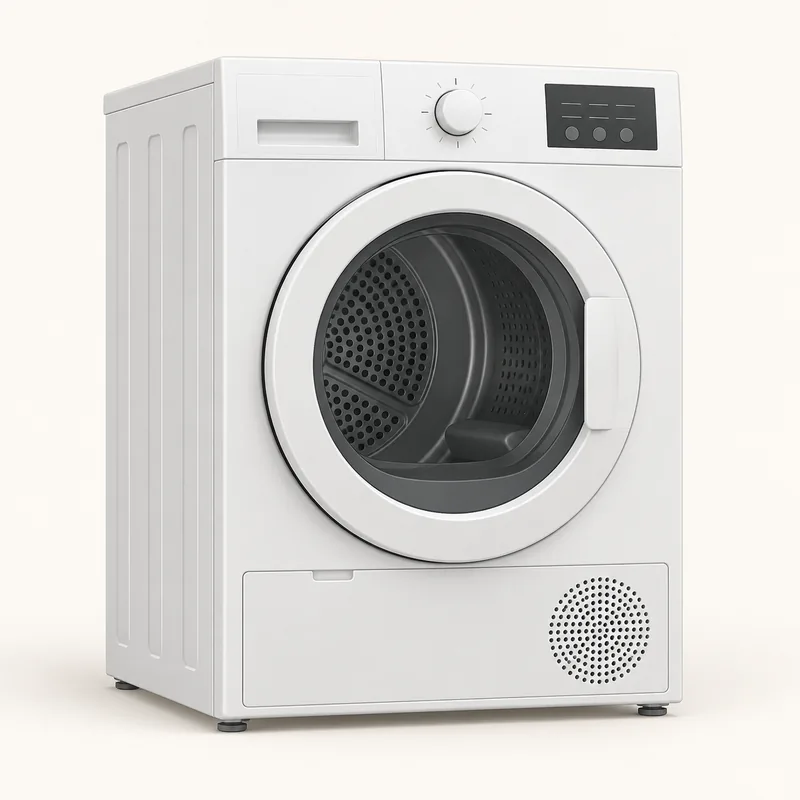 Illustrative image — not the exact model
Samsung Series 5
The strongest all-round starting point for buyers who want balanced value, efficiency and everyday usability.
Read full breakdown →Illustrative image — not the exact model
Beko DTKCE80021W
The clearest lower-budget route if purchase price matters more than long-term running-cost logic.
Read full breakdown →Illustrative image — not the exact model
Bosch WTH85226GB
A stronger premium-efficiency route for regular-use homes where long-term ownership value matters.
Read full breakdown →Illustrative image — not the exact model
Hisense DH3S802BW3
A useful middle-ground route if you want heat pump ownership without jumping straight into premium pricing.
Read full breakdown →Which is the best tumble dryer to buy in the UK?
For most UK buyers, the best tumble dryer to buy is a heat pump model if it will be used regularly, a condenser model if flexible placement and lower upfront price matter more, and a vented model only when the home already has suitable external venting. The best answer changes by budget, room, capacity and running cost.
| Buyer priority | Best starting route | Next check |
|---|---|---|
| Best all-round route | Heat pump tumble dryer | Compare heat pump picks |
| Best condenser route | Flexible-placement condenser | Check condenser vs vented |
| Best budget route | Cheap condenser or vented dryer | Compare budget dryers |
| Best for flats | Quiet, compact heat pump or condenser | Check small-home fit |
Best tumble dryers compared at a glance
Use this section first if you want the fastest overview of the main shortlist routes without scrolling sideways on mobile.
Samsung Series 5
Best for
Most buyers
Type
Heat pump
Main strength
Balanced all-round option
Watch for
Higher upfront price than basic condensers
Beko DTKCE80021W
Best for
Lower budgets
Type
Condenser
Main strength
Cheaper entry price
Watch for
Weaker running-cost case
Bosch WTH85226GB
Best for
Premium efficiency
Type
Heat pump
Main strength
Strong ownership logic over time
Watch for
Higher upfront spend
Hisense DH3S802BW3
Best for
Value heat pump
Type
Heat pump
Main strength
Efficiency without premium pricing
Watch for
Less premium feel than Bosch or Samsung
Best tumble dryer reviews: top models explained
Why they are here, who they suit and where they make less sense.
Illustrative image — not the exact model
Samsung Series 5
- Heat pump design
- Strong all-round balance
- Better long-term logic than basic condenser models
- Good fit for regular-use households
Best for: Regular-use households, balanced buyers and shoppers who want the clearest all-round shortlist option.
Avoid if: You only dry laundry occasionally and want the lowest possible purchase price.
Why it is here: It gives many buyers the cleanest balance of practical usability, efficiency-led ownership logic and broad shortlist appeal.
- Technology
- Heat pump
- Capacity
- 9 kg
- Energy
- A++ (legacy label)
- Noise
- 65 dB
- Size
- 600 × 850 × 600 mm (W×H×D)
Evidence: official manufacturer specifications · Official model reference; current retail availability not claimed · checked 18 September 2026. BuyDryer does not claim a hands-on laboratory test of this exact unit.
Illustrative image — not the exact model
Beko DTKCE80021W
- Condenser design
- Cheaper upfront route
- Simpler budget-focused decision
- Useful for lower initial spend
Best for: Tighter budgets, lighter use and buyers prioritising upfront price first.
Avoid if: You expect frequent weekly use and want the strongest long-term efficiency case.
Why it is here: It gives budget-led buyers a simple route without forcing them into a more expensive heat pump model.
- Technology
- Condenser
- Capacity
- 8 kg
- Energy
- B (legacy label)
- Noise
- 66 dB
- Size
- 597 × 846 × 568 mm (W×H×D)
Evidence: official manufacturer specifications and an exact-model retailer listing · Model listing checked · checked 18 September 2026. BuyDryer does not claim a hands-on laboratory test of this exact unit.
Illustrative image — not the exact model
Bosch WTH85226GB
- Heat pump design
- Strong premium efficiency positioning
- Better fit for regular-use homes
- Compelling long-term ownership case
Best for: Buyers who use their dryer often and are happy to pay more upfront for a stronger long-term fit.
Avoid if: You are building your shortlist around the lowest immediate price only.
Why it is here: It fits buyers who want a more premium efficiency-led route rather than a purely budget-first option.
- Technology
- Heat pump
- Capacity
- 8 kg
- Energy
- D (current A–G label)
- Noise
- 62 dB
- Size
- 598 × 842 × 613 mm (W×H×D)
Evidence: official manufacturer specifications and an exact-model retailer listing · Model listing checked · checked 18 September 2026. BuyDryer does not claim a hands-on laboratory test of this exact unit.
Illustrative image — not the exact model
Hisense DH3S802BW3
- Heat pump design
- Good value route into heat pump ownership
- Better long-term logic than many cheap condenser models
- Useful middle-ground shortlist option
Best for: Buyers who want a more affordable heat pump path without going too basic.
Avoid if: You want the strongest premium finish or the absolute cheapest buying route.
Why it is here: It gives buyers a middle-ground route between basic condenser value and more expensive premium heat pump choices.
- Technology
- Heat pump
- Capacity
- 8 kg
- Energy
- A+++ (UK manufacturer listing; legacy scale)
- Noise
- 64 dB
- Size
- 595 × 845 × 550 mm (W×H×D)
Evidence: official manufacturer specifications and an exact-model retailer listing · Model listing checked · checked 18 September 2026. BuyDryer does not claim a hands-on laboratory test of this exact unit.
New & notable · checked 9 August 2026
What’s new and notable in tumble dryers
Our main shortlist above remains a set of established picks. This separate watchlist highlights distinctive current models verified against direct UK manufacturer pages. It is a desk-research review, not a hands-on test, retailer review average or universal ranking.
Research review · high-capacity format
Samsung Series 10 16kg DV16DG8600BVU1
Why it stands out: Samsung lists a 16kg capacity, Hybrid Heat Pump and AI Control. It is a genuinely different format for unusually large laundry loads. Samsung marked this exact model as no longer available on 18 September 2026; treat it as a specification reference, not a current buying recommendation.
Editorial fit: a high-capacity reference for large households with enough installation space; it is not a current purchase pick or a default recommendation for typical 8–9kg needs.
Check first: dimensions, electrical requirements and whether your real loads justify the larger drum.
Research review · new listing
Bosch Series 4 8kg WTH85225IE
Why it stands out: Bosch’s current UK heat-pump range marks this 8kg Series 4 model as New and lists a five-year warranty.
Editorial fit: a sensible watchlist option for buyers who want mainstream 8kg capacity rather than a larger, more specialised machine.
Check first: the product data sheet, current availability and the exact energy label before comparing price.
Research review · fabric-care features
Haier X9 9kg HD90-CQ387PGU-UK
Why it stands out: Haier lists Ultra Sense 3D, a reversing drum, Woolmark Approved Care and app control on this 9kg heat-pump model.
Editorial fit: relevant for buyers prioritising fabric-care features and a standard-size 9kg category.
Check first: 595 × 680 × 845mm external dimensions and whether the app features matter to your routine.
How to read these reviews: we assess published specifications, capacity, installation practicality, energy-label information where available and declared care features. We do not turn manufacturer claims or customer-star averages into BuyDryer test scores.
Which buying route makes most sense for your home?
The strongest choice usually depends less on brand and more on ownership logic. Start by deciding whether you want the clearest all-round answer, the lower upfront route, premium efficiency or a value-led heat pump middle ground.
Choose Samsung Series 5 if"
You want the clearest all-round recommendation and expect fairly regular dryer use.
Choose Beko DTKCE80021W if"
Keeping the purchase price lower matters more than long-term running-cost logic.
Choose Bosch WTH85226GB if"
You want a more premium heat pump route and long-term ownership value matters more than lowest price.
Choose Hisense DH3S802BW3 if"
You want a more affordable heat pump path without dropping back to a basic budget condenser model.
Best condenser tumble dryer UK: when this route makes sense
If you are searching for the best condenser tumble dryer in the UK, start by checking whether you really need a condenser rather than a heat pump or vented model. A condenser dryer is usually the safer route when you want flexible placement, do not have easy external venting, and want a lower upfront price than many heat pump dryers.
The trade-off is running cost. A cheap condenser can be sensible for lighter use, but regular weekly drying often makes a heat pump model more attractive over time. Compare condenser vs vented dryers, then check tumble dryer running costs before choosing only on purchase price.
- Choose condenser first if you need easier placement and do not have suitable external venting.
- Choose heat pump first if you dry several loads per week and long-term electricity cost matters.
- Choose a budget condenser if the dryer is for occasional use and upfront price is the main constraint.
For lower-cost condenser options, use the cheap tumble dryers UK guide. For smaller flats and compact homes, check the small-home tumble dryer guide before buying a full-size model.
Compare the purchase price against long-term running cost
A cheaper condenser dryer may be the right choice for light use, but a more efficient heat pump dryer can make more sense when the machine is used several times a week. Before choosing, estimate your likely cost per load, per month and per year.
What matters most in a good tumble dryer?
The biggest mistake is focusing too early on brand or surface-level features before deciding what kind of ownership case you actually want. A dryer that is best for one home can be poor value for another if the real usage pattern is different.
Best route by buyer type
Start by deciding what matters most. If you want the strongest broad recommendation for many homes, start with the all-round pick. If your budget is tighter, look at the cheaper condenser option first. If you care most about long-term ownership logic, move towards the premium heat pump route.
Budget-first route
Choose Beko if upfront cost matters most.
Best for: tighter budgets and lighter dryer use
Heat pump-first route
Choose Samsung or Hisense if you expect regular weekly use.
Best for: buyers thinking beyond day-one price
Premium efficiency route
Choose Bosch if ownership quality matters more than price alone.
Best for: regular-use homes and premium-minded buyers
What we look for and what we avoid
This shortlist is not built to include as many models as possible. It is built to show the main buyer routes clearly, so you can quickly understand which option makes the most sense for your budget, usage pattern and ownership priorities.
What we look for
- Useful buyer fit for UK homes
- Clear value or efficiency case
- Realistic shortlist position
- Sensible difference from other picks
- Practical ownership logic, not just brand recognition
What we avoid
- Pages flooded with near-duplicate options
- Ranking purely on brand name
- Spec-sheet comparisons without buying logic
- One-size-fits-all recommendations
- Fake testing claims or unsupported star ratings
Best first step if you are unsure
- Compare heat pump vs condenser before overthinking individual models
- Decide whether price, efficiency or value matters most
- Use the top picks section first, then read the detailed model breakdowns
- Use the running cost calculator if you expect regular weekly drying
How this guide is put together
This page is designed to help UK buyers build a clearer shortlist of the best tumble dryer routes for different homes and budgets.
Models are compared using published product and retailer information alongside practical buyer-fit logic. The goal is to make the differences between budget, value, efficiency and real home use much easier to understand.
Explore related tumble dryer guides
If you want to compare ownership costs, dryer types or more specific buying routes, these guides can help you choose more confidently.
Tumble dryer running costs
See how much different tumble dryer types can cost to run and compare long-term ownership logic before you buy.
Best heat pump tumble dryers
Compare the best heat pump tumble dryers if lower running costs and long-term efficiency matter more than the lowest upfront price.
How to choose a tumble dryer
Use this simple buyer guide if you still need help choosing the right dryer type, size and route for your home.
Cheap tumble dryers
Start here if your priority is keeping the purchase price lower while still finding a practical option for everyday use.
How long do tumble dryers last?
Read this guide if lifespan, long-term value and replacement timing are part of your buying decision.
Best tumble dryer by home, budget and usage
The best tumble dryer is not the same for every UK home. A family drying towels and school uniforms every week needs a different machine from someone in a flat, a small home, a garage utility space or a household that only uses a dryer occasionally.
Before choosing a specific model, decide which buying route fits your home. This helps you avoid paying too much upfront, choosing a dryer that is expensive to run, or buying a machine that is awkward for the space you actually have.
| Buyer situation | Best route to compare first | What to check before buying |
|---|---|---|
| Regular family use | Large-capacity heat pump dryer | Capacity, running cost, filter access and drying programmes. |
| Lowest long-term running cost | Heat pump tumble dryer | Energy use per cycle and whether the higher upfront price is worth it. |
| Lower upfront budget | Condenser or vented dryer | Purchase price, running cost and whether the cheaper model will cost more over time. |
| Flat or small home | Compact condenser or heat pump dryer | Depth, door clearance, noise level, water tank position and airflow around the dryer. |
| Garage or utility room | Condenser, vented or suitable heat pump model | Temperature range, ventilation, socket position and manufacturer placement guidance. |
| Quiet space near living areas | Lower-noise heat pump or premium condenser model | Noise rating, cycle length and where the dryer will sit in the home. |
| Occasional drying only | Budget condenser or vented dryer | Whether lower upfront cost matters more than energy efficiency. |
Heat pump, condenser or vented: which type should you shortlist?
For most regular-use homes, a heat pump dryer is the strongest route to compare first because running cost matters every time you dry a load. If you are still deciding between heat pump and condenser, read our heat pump vs condenser tumble dryer comparison before choosing a model.
A condenser dryer can still make sense if you want a lower upfront price, do not dry clothes heavily, or want a simpler buying route. A vented dryer can be cheaper to buy, but it normally needs suitable venting to the outside, so it is not the best fit for every flat or modern utility space.
If budget is the main issue, compare this guide with our cheap tumble dryers UK guide. If running cost is the main issue, use the tumble dryer running cost calculator before deciding.
Small homes, flats, garages and quiet spaces
Space can change the best choice quickly. In flats and small homes, the best tumble dryer is often the one that fits properly, is easy to empty, does not feel too noisy and does not make the room awkward to use. In garages and utility rooms, placement matters because not every dryer is suitable for every temperature or ventilation setup.
If noise is important, compare quieter models separately using our best quiet tumble dryers guide. If you are choosing between capacities, see our 8kg vs 9kg tumble dryer guide before paying more for a bigger drum.
Quick checks before you order
- Measure the full space, including depth, door swing and clearance.
- Check whether the water tank, filter and condenser unit are easy to reach.
- Check the noise rating if the dryer will sit near a bedroom or living area.
- For garages or colder utility spaces, check the manufacturer placement guidance.
- Compare purchase price against running cost if you expect regular weekly use.
Current model check · 10 August 2026
Best tumble dryers UK: current model checks before you buy
The headline pick depends on how often you dry, the space available and whether lower upfront spend or lower-energy drying matters most. This snapshot checks three current UK manufacturer listings; it is not a hands-on test or a retailer-star ranking.
Best condenser tumble dryer UK
Start with the Beko only if the condenser trade-off suits you
The Beko DTKCE80021W is the clearest condenser route in this comparison because it combines 8kg capacity with sensor drying. It is not automatically the best overall dryer: frequent users should compare its ongoing electricity use against a heat-pump alternative.
Best Samsung tumble dryer
Choose a current 9kg heat-pump specification, not a generic series name
For the Samsung route, verify the full model number and today’s energy label. The Series 5+ DV90BBA245AB is the current 9kg model checked here; its stated Hygiene Care and reversible door are useful only if they solve a real household need.
Price and running cost note: retailer prices and tariffs change. Use the current energy label and our tumble-dryer running-cost guide before treating any dryer as the best value for your home.
Common tumble dryer questions UK buyers ask most
What is the best tumble dryer for most UK homes?
For many UK buyers, the best tumble dryer is the one that balances dryer type, upfront price, running costs, household size and how often the machine will be used.
Is a heat pump dryer usually the best choice?
Not always, but it often makes the strongest case for homes that use the dryer regularly and want better running-cost logic over time.
Can a cheaper condenser dryer still be a good buy?
Yes. It can still make sense for tighter budgets, lighter use and buyers who care more about the upfront price than long-term efficiency.
Should I choose dryer type before comparing models?
In many cases, yes. Deciding between heat pump and condenser first often makes the shortlist much clearer.
What matters most in a good tumble dryer?
Usually it is the fit between price, dryer type, running-cost logic, household needs and how often the machine will actually be used.
What is the biggest buying mistake?
Comparing models too early before deciding what kind of ownership case you actually want.
Continue with a more specific buyer guide
Narrow the shortlist around your home, budget or the practical issue you are trying to solve.
- Best tumble dryers by family size – choose capacity around real laundry loads.
- Best tumble dryers for flats – compare space, noise and placement needs.
- Best tumble dryers under £300 – focus on lower upfront cost.
- Best tumble dryers for large families – prioritise capacity and frequent use.
- Compare tumble dryer brands in the UK before choosing a model.
- Avoid common tumble dryer buying mistakes.
- Check where you can put a tumble dryer and what the room needs.
- Understand common tumble dryer problems before replacing an appliance.
- Condenser tumble dryer pros and cons – check running costs, placement and the main ownership trade-offs.
How to choose the best tumble dryer for your home
The best tumble dryer matches your normal laundry load, available space and tolerance for running costs. For regular use, a heat-pump dryer is usually the strongest long-term option because it reuses warm air at a lower temperature. A condenser dryer remains a practical choice when the upfront budget or a straightforward replacement matters most.
Make these three decisions first
| Question | Best starting point | Why it matters |
|---|---|---|
| How often do you dry? | Heat pump for frequent use | Lower-energy drying has more opportunity to pay back over time. |
| How much do you wash? | 8kg for most households | Choose from your typical load, not an exceptional weekly wash. |
| Where will it sit? | Check depth, door clearance and noise | A strong specification is not useful if it blocks a utility room or disturbs an open-plan space. |
Families, flats and quieter homes
Busy households should prioritise sensor drying, a useful drum size and easy filter maintenance. In a flat or compact utility room, measure the depth with the door open and leave practical access to filters and a drain or water container. If drying happens near bedrooms or living space, compare the quoted noise figure and consider how the room can amplify vibration.
Heat pump or condenser?
Heat-pump dryers generally use less electricity per load and are gentler on fabrics, although programmes can take longer. Condenser dryers collect moisture in a tank or send it to a drain and can suit a lower initial budget. Compare the complete trade-off in our heat pump vs condenser dryer guide.
Five-minute buying checklist
- Measure installation space, door swing and drainage options.
- Choose capacity for the loads you actually wash.
- Compare energy information, sensors and maintenance.
- Check noise if the dryer is close to living or sleeping space.
- Use our running-cost calculator with your own tariff.
Bottom line: choose a heat-pump dryer when frequent drying and lower long-term electricity use are the priority; choose a well-sized condenser dryer when upfront cost and simple replacement lead the decision.