
Cheapest Tumble Dryers to Run UK
Looking for the cheapest tumble dryer to run in the UK? This guide explains which dryer types usually cost less over time, when a heat pump dryer makes sense, and when a cheaper condenser dryer can still be the better buy.
For most homes that use a tumble dryer regularly, a heat pump dryer is usually the cheapest route to run over time. For very light use, a cheaper condenser dryer may still make sense because the lower upfront price can matter more.

Cheapest to run is not the same as cheapest to buy
A cheap tumble dryer can cost less on day one but more over time if it uses more electricity. The right choice depends on how often you use it. If you want the numbers first, use the tumble dryer running cost calculator. If you are still comparing dryer types, read heat pump vs condenser.
Which tumble dryer is cheapest to run?
For most UK homes, a heat pump tumble dryer is usually the cheapest type to run because it normally uses less electricity per load than condenser or vented dryers. The more often you use the dryer, the stronger the case for choosing a heat pump model.
Cheapest to run
Usually heat pump tumble dryers.
Cheapest upfront
Often condenser or vented dryers.
Best for regular use
Heat pump route usually wins over time.
Best for light use
A cheaper condenser may still be enough.
Best cheap-to-run tumble dryer routes
These routes help you decide based on real usage, not just the lowest price tag.
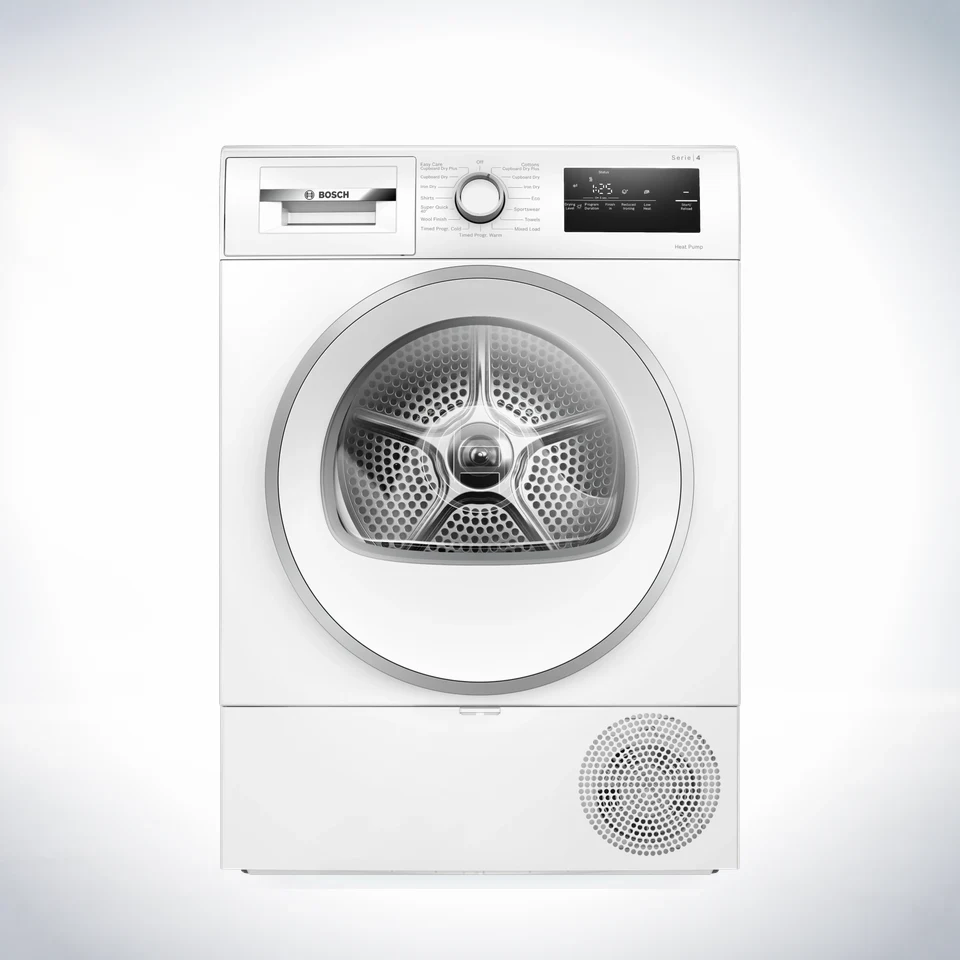
Heat pump efficiency route
- Usually lowest running-cost logic
- Best for regular weekly drying
- Strongest route if ownership cost matters
Watch for: Higher upfront price than many condenser dryers.
Best for: Families, regular-use homes and buyers thinking beyond checkout price.
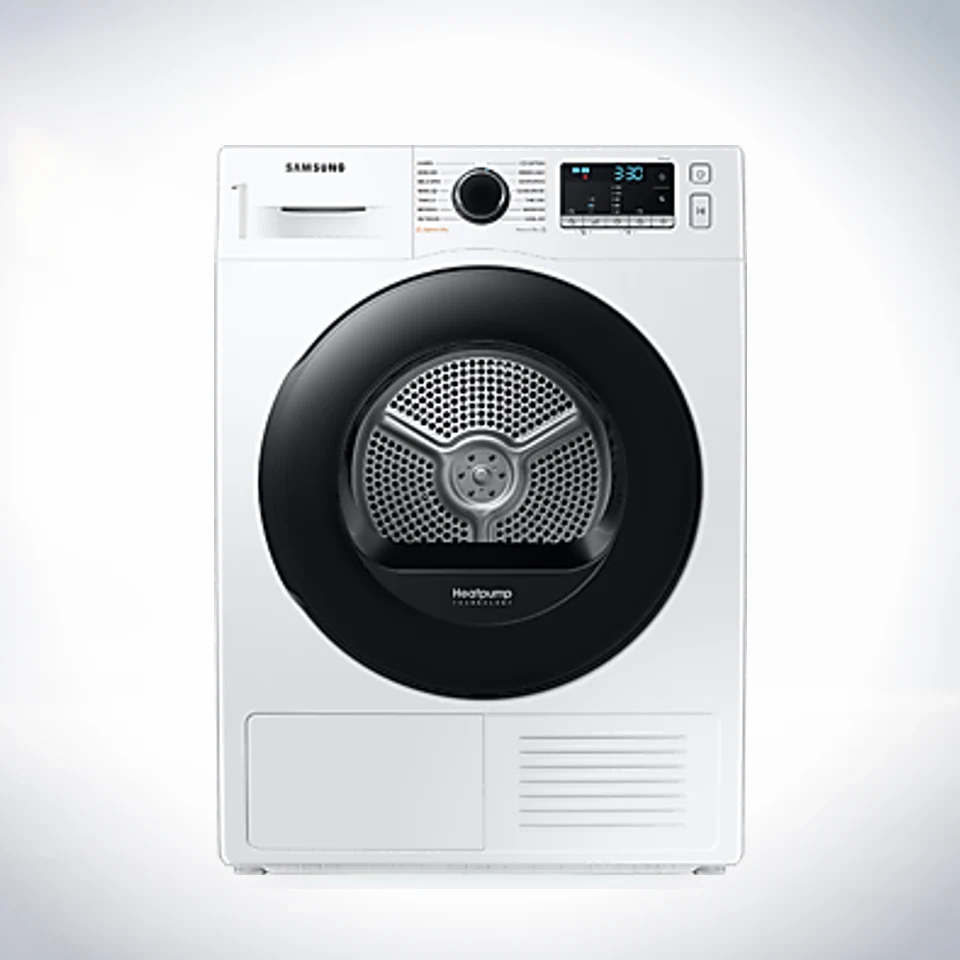
Balanced heat pump route
- Good balance of price and efficiency
- Useful for regular use without going fully premium
- Stronger long-term logic than many cheap dryers
Watch for: Check real price and capacity before buying.
Best for: Buyers who want cheaper running without choosing the most expensive route.
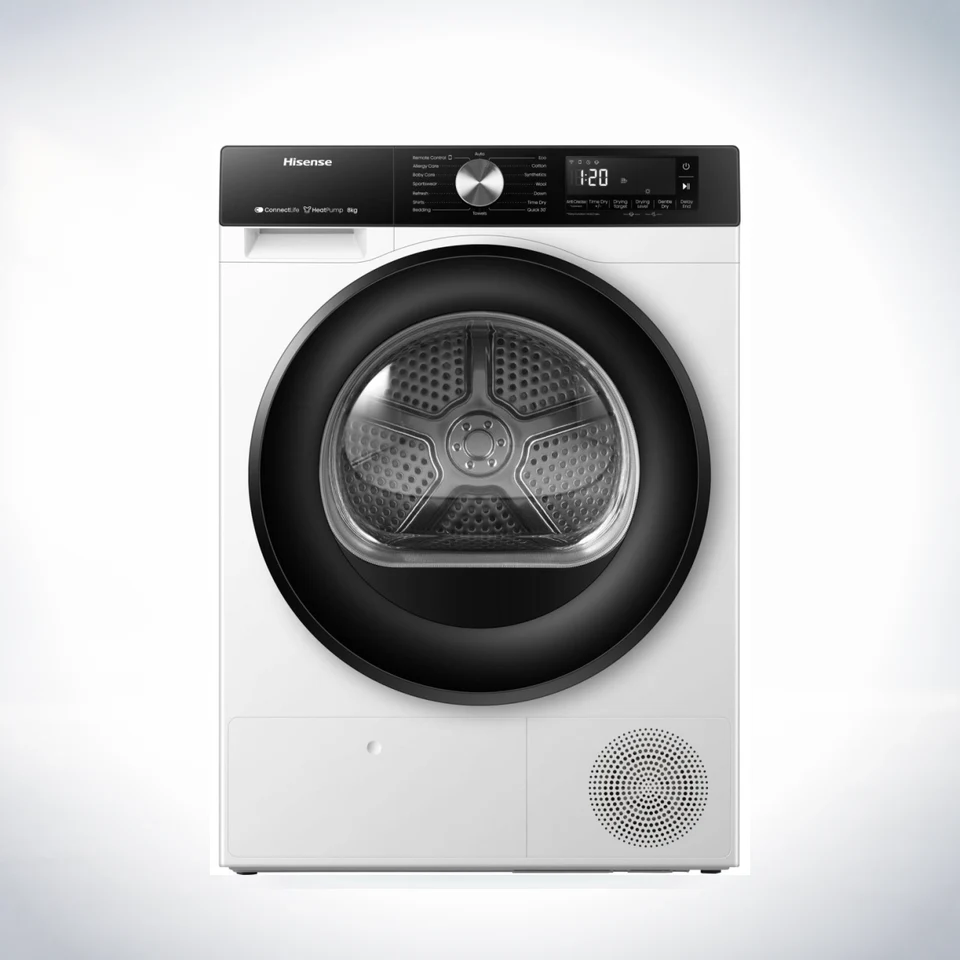
Accessible heat pump route
- More affordable route into lower running-cost drying
- Useful for budget-aware buyers
- Better long-term logic than many basic condenser dryers
Watch for: Less premium feel than higher-tier models.
Best for: Buyers who want efficiency without paying top-tier prices.
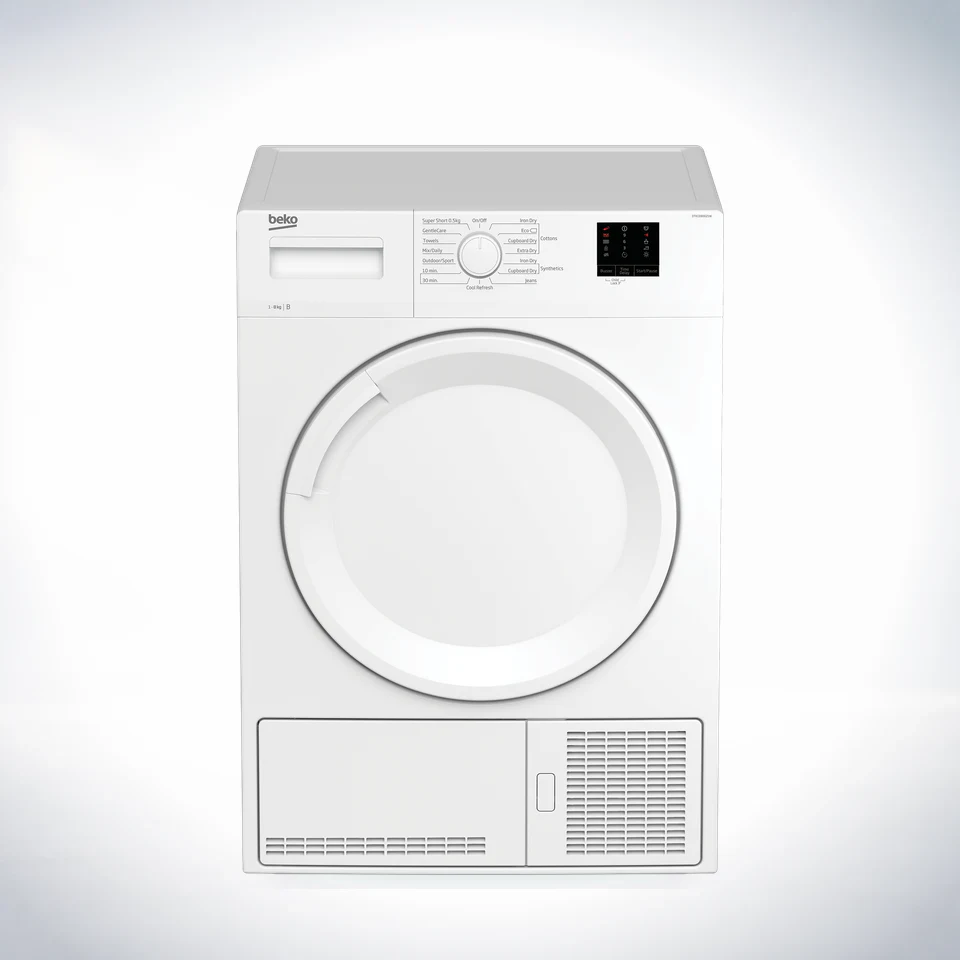
Light-use budget route
- Lower purchase price can make sense for light use
- Useful if the dryer is only used occasionally
- Good when upfront budget matters most
Watch for: Can cost more to run if used regularly.
Best for: Occasional users who care more about day-one price than long-term efficiency.
Cheapest to run vs cheapest to buy
The cheapest choice depends on whether you care more about purchase price or long-term electricity use.
| Dryer type | Upfront price | Running-cost logic | Best for |
|---|---|---|---|
| Heat pump | Usually higher | Usually lowest | Regular use, family homes and long-term value |
| Condenser | Usually lower | Usually higher | Budget buyers and lighter use |
| Vented | Often low | Usually weaker | Specific venting setups and occasional use |
What does “cheapest to run” actually mean?
The cheapest tumble dryer to run is not always the one with the lowest price. It is the dryer that costs less to operate over time based on electricity use, load frequency and how long you keep the machine.
Per-load cost
How much electricity one drying cycle is likely to use.
Weekly usage
The number of loads per week changes the real cost quickly.
Ownership period
A higher upfront price can make more sense if the dryer is kept for years.
Heat pump usually wins if…
- You use the dryer several times a week
- You want lower running-cost logic over time
- You have a family or regular laundry routine
- You plan to keep the dryer for years
- You care about total ownership cost
Cheaper upfront can still win if…
- You only use the dryer occasionally
- Your upfront budget is strict
- The dryer is mainly a backup option
- You do not expect many weekly cycles
- You care more about purchase price than long-term efficiency
The more you use the dryer, the more running cost matters
A heat pump dryer can be easier to justify in regular-use homes because every weekly load adds to the ownership cost. For light use, the cheapest upfront option can still be reasonable.
Common mistakes when looking for the cheapest dryer to run
- Buying based only on upfront price
- Ignoring how often the dryer will actually be used
- Assuming all tumble dryers cost about the same to run
- Skipping the heat pump vs condenser decision
- Ignoring capacity and needing extra cycles
- Not using a running cost calculator before buying
Go deeper based on your priority
Once you understand the running-cost logic, use the next guide that matches your biggest remaining question.
Want exact running cost logic?
Use the running cost page to estimate cost per load, month and year.
Still choosing dryer type?
Compare heat pump and condenser if you want the main cost trade-off first.
Need efficient picks?
Go to the energy efficient dryer guide if low running cost is your top priority.
Editorial and trust information
BuyDryer is built to help readers make clearer buying decisions, not just browse longer lists. This page is written and reviewed within the site’s editorial system and supported by visible policy and methodology pages.
Editorial standards: How we choose products · Editorial process · Corrections / feedback · Affiliate disclosure
Cheapest tumble dryer to run questions
Which tumble dryer is cheapest to run?
Heat pump tumble dryers are usually the cheapest type to run over time because they normally use less electricity per drying cycle.
Are cheap tumble dryers expensive to run?
They can be, especially if they are used frequently. A cheaper upfront dryer may cost more over time if it uses more electricity per load.
Is a heat pump tumble dryer always better value?
Not always. Heat pump dryers usually make the most sense for regular use, while a cheaper condenser dryer can still be reasonable for light or occasional use.
Should I buy the cheapest dryer or the cheapest to run?
If you use the dryer regularly, running cost should matter more. If you use it rarely, the cheapest upfront dryer may still be enough.
What should I check before buying a cheap-to-run dryer?
Check dryer type, estimated kWh per load, capacity, how often you will use it and the likely long-term ownership cost.
Compare running costs before choosing
If you want the cheapest tumble dryer to run, start with dryer type and usage frequency, then compare estimated yearly cost.