
Common tumble dryer problems UK (and what they really mean)
Not sure if your tumble dryer is faulty or just not right for your home? This guide explains the most common tumble dryer problems in the UK and what they usually mean for your usage, setup or buying decision.
Quick answer
Why tumble dryer problems are often misunderstood
Many tumble dryer problems are not actually faults. They are usually a mismatch between the dryer type, the way it is used and the expectations of the buyer.
For example, a dryer that feels “slow” might be working exactly as designed, especially with more efficient heat pump models. In other cases, noise or vibration may come from placement rather than the machine itself.
The key is understanding what the problem really means before deciding whether to fix it or replace the dryer. If you are weighing that decision, our UK tumble dryer lifespan guide explains realistic service life, warning signs and when repair still makes sense.
Most common tumble dryer problems
Dryer takes too long to dry clothes
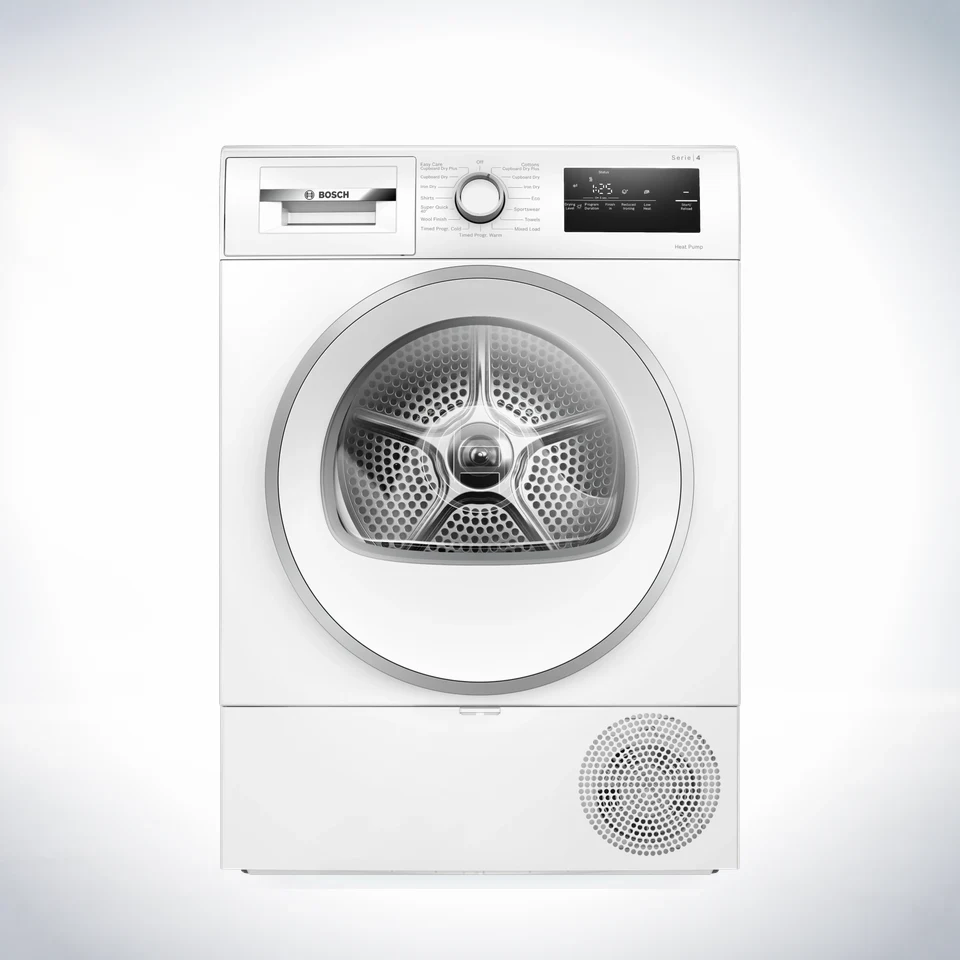
This is one of the most common complaints. In many cases, the dryer is not broken. It is simply running a slower, more efficient cycle, especially if it is a heat pump model.
What it usually means
- Energy-efficient drying process
- Heavier or mixed loads
- Expectations based on older dryers
What to check
- Load size and type
- Filter cleanliness
- Dryer type (heat pump vs condenser)
Next step: Compare dryer types
Dryer is too noisy
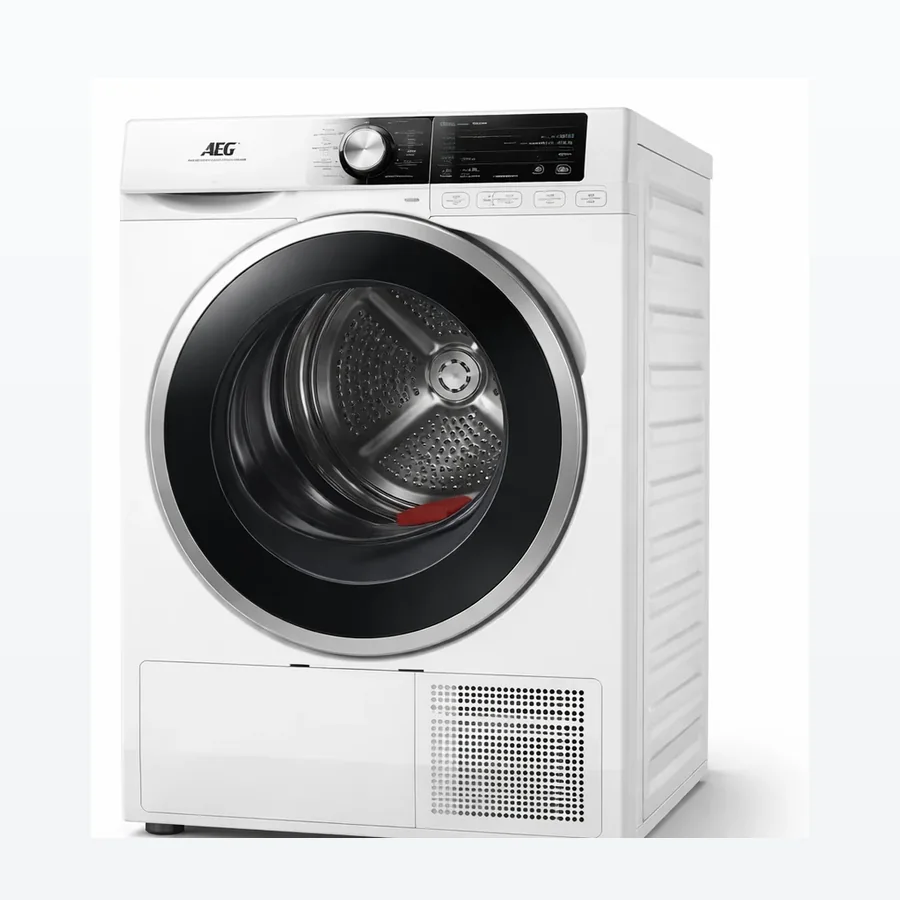
Noise is a common issue, especially in flats or shared living spaces. In many cases, the problem is not just the dryer itself, but where and how it is installed.
What it usually means
- Hard flooring increasing vibration
- Placement near living areas
- Basic dryer type
What to check
- Floor stability
- Levelling of the machine
- Whether a quieter model would help
Next step: See quiet dryers
Clothes are still damp after drying
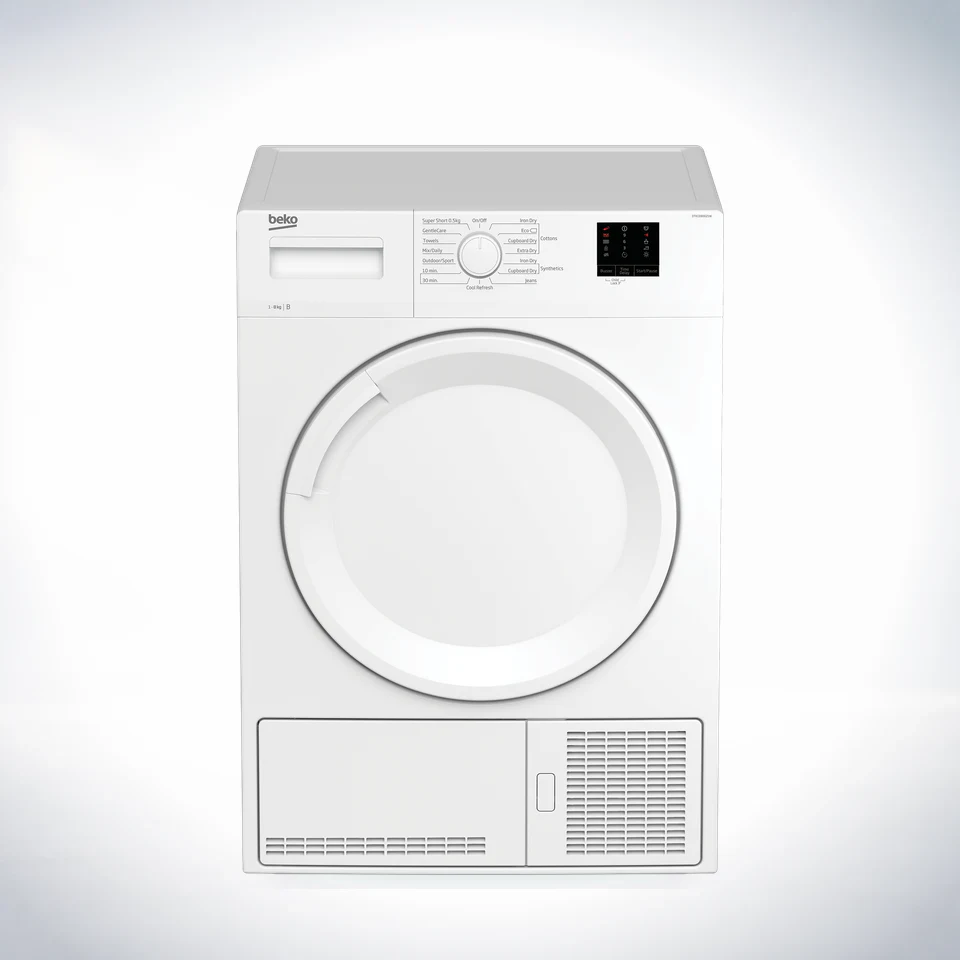
This often happens when loads are too large, mixed incorrectly or when expectations do not match the dryer type being used.
What it usually means
- Overloaded drum
- Mixed fabrics drying unevenly
- Short cycle selection
What to check
- Load size vs drum capacity
- Cycle settings
- Dryer type suitability
Next step: How to choose guide
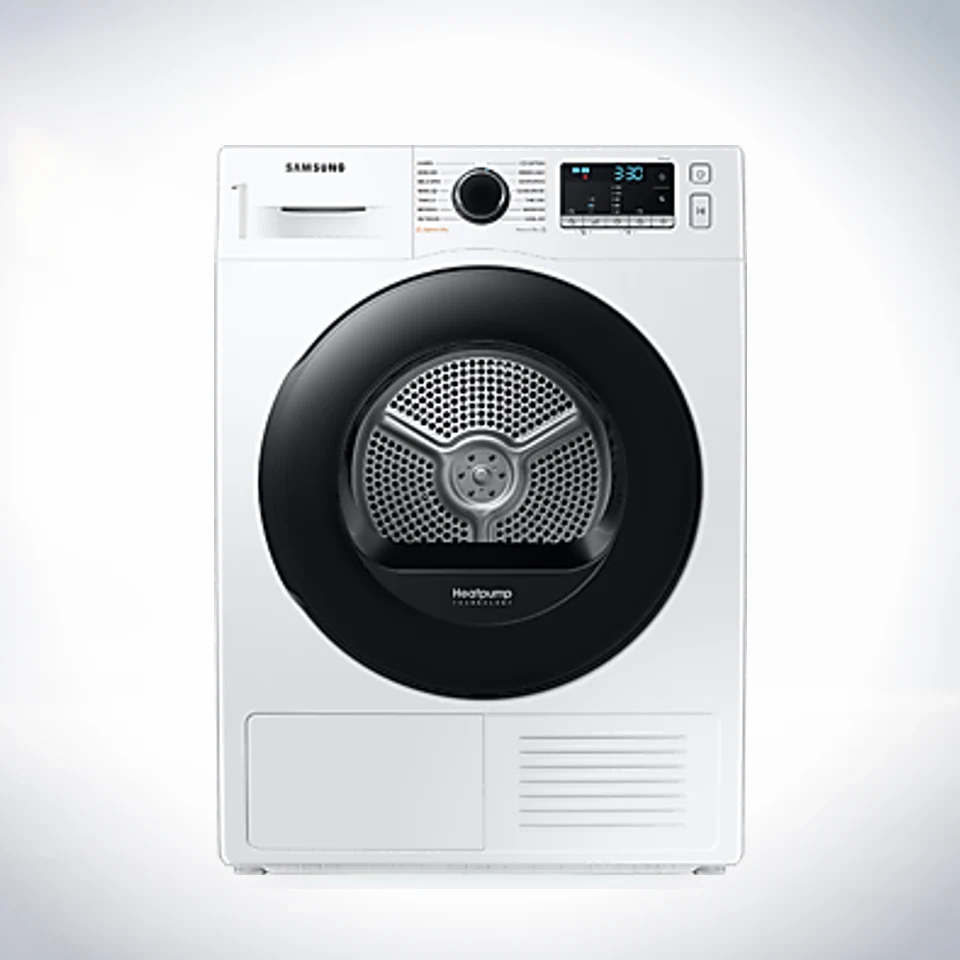
Dryer is expensive to run
This usually comes from using a less efficient dryer frequently. Running costs become more noticeable over time, especially in regular-use homes.
What it usually means
- Higher energy consumption
- Frequent weekly use
- Older or less efficient model
What to check
- Usage frequency
- Dryer type
- Whether efficiency upgrade makes sense
Next step: See running costs
Fix or replace: how to decide
Fix if…
- The issue is new or occasional
- The dryer fits your usage well
- The problem is clearly setup-related
- The cost of fixing is small
Replace if…
- The problem happens repeatedly
- The dryer does not match your needs
- Running costs are consistently high
- The machine feels wrong for your home
Ready to choose a better dryer?
If your current dryer is causing problems, the next step is usually understanding which type and model would actually suit your home better.
FAQ
Why is my tumble dryer taking so long?
Often due to efficient drying cycles, load size or wrong expectations for the dryer type.
Why is my dryer so noisy?
Usually due to placement, flooring or the type of dryer being used.
Why are my clothes still damp?
Often caused by overloading, mixed fabrics or incorrect cycle selection.
Should I replace my tumble dryer?
If problems are frequent and affect daily use, replacement is often the better option.