
How to Choose a Tumble Dryer: UK Buyer Guide
Choosing a tumble dryer is much easier when you make the big decisions in the right order. This UK guide walks you through dryer type, drum size, running costs, noise, placement and budget before you compare too many models.
The best tumble dryer for your home depends on how often you dry laundry, whether you care more about upfront price or long-term running cost, how much space you have and which dryer type actually fits your setup.
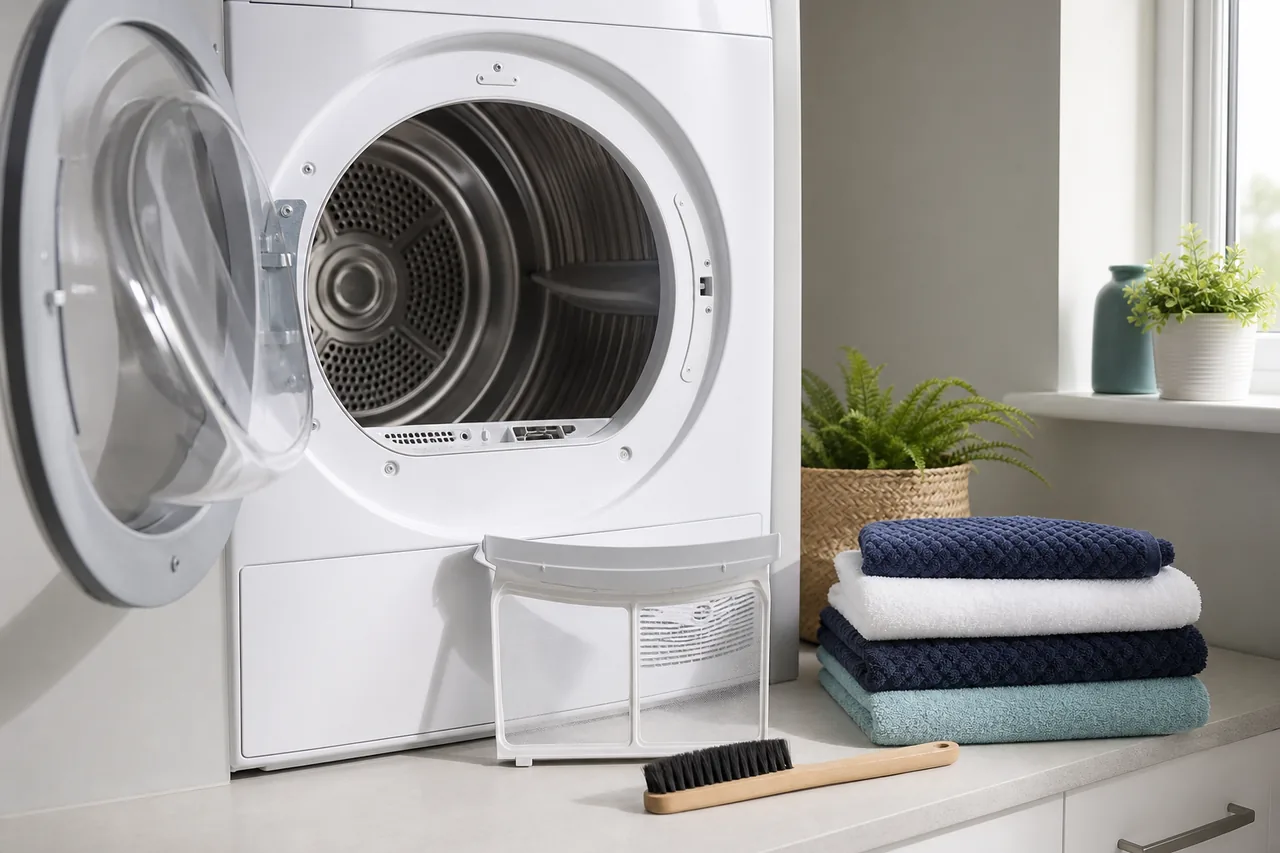
Choose in the right order before comparing models
The easiest way to choose a tumble dryer is to make the big decisions in the right order: type first, then size, then running costs, then noise and placement, then budget, then shortlist.
Best route for most buyers
Choose the dryer type first, then think about how often you will use it, then compare actual models.
Most common mistake
Jumping straight into model lists without understanding type, size and ownership cost properly.
How to choose a tumble dryer in 6 steps
Start with the type, then choose the right size, decide how much running costs matter, check noise and placement, set a realistic budget and only then compare models.
1. Choose type
Heat pump, condenser or vented.
2. Choose size
Match drum capacity to your household.
3. Check running costs
Important if you dry laundry regularly.
4. Think about placement
Kitchen, utility room, flat or shared space.
5. Set the budget
Cheap upfront is not always cheapest long term.
6. Compare models
Only shortlist after the main route is clear.
Choose the right dryer type first
Dryer type affects upfront price, running cost, placement and long-term value. For most buyers, this is the most important decision to make first.
Heat pump
Usually the stronger long-term route if you use the dryer regularly and care about running costs.
Condenser
Often makes more sense if lower upfront price matters more and your dryer use will be lighter.
Vented
Can suit some homes, but only when external venting is practical and the setup makes sense.
Not sure between heat pump and condenser?
Heat pump usually makes more sense for regular use and lower running costs. Condenser can still make sense if you mainly want lower upfront price. If this is your biggest question, compare the two types before looking at individual models.
Choose the right drum size for your household
Drum size should match your laundry volume. Buying too small can be frustrating, but buying much bigger than you need may not add much value.
7kg to 8kg
Usually better for singles, couples and lighter laundry routines.
8kg to 9kg
A strong all-round range for many households and one of the most practical starting points.
9kg to 10kg
Usually makes more sense for larger families and heavier weekly laundry loads.
Size guide
If you are unsure which capacity makes sense, start here.
Large family route
If you do a lot of washing every week, focus on larger capacity and regular-use value.
Decide how much running costs matter
Running cost matters most when the dryer is used several times a week. Light-use homes may care more about upfront price, while regular-use homes should usually think harder about efficiency.
If you use the dryer regularly
Running costs matter much more when the dryer becomes part of your weekly routine. In that situation, better efficiency usually becomes easier to justify.
- More weekly use means a stronger case for efficiency
- Long-term value matters more
- Heat pump usually becomes more attractive
If you use the dryer only now and then
Running costs still matter, but not always enough to justify paying much more upfront. In lighter-use homes, a simpler budget-first route can still make sense.
- Do not overpay for efficiency you may barely use
- Lower upfront price can still be logical
- Judge value by your real usage, not by hype
Best next check
Use the running cost calculator to estimate cost per load, per month and per year before deciding whether a cheaper model or a more efficient model makes more sense.
Think about noise and where the dryer will live
Placement changes the buying logic. A dryer in a utility room is different from a dryer in a flat, kitchen, hallway or open-plan living area.
Noise matters most in flats
If the dryer is close to living or sleeping spaces, a quieter model can make a much bigger difference than many buyers expect.
Placement changes the buying logic
A dryer in a utility room is very different from a dryer near the kitchen, hallway or open-plan living area.
Smaller homes need more care
In smaller homes, size, noise and flexibility often matter almost as much as drying performance.
This can change your shortlist
The right dryer for a detached house utility room may be the wrong dryer for a small flat.
Quiet dryer route
Use this if low noise is one of your top priorities.
Flats route
Use this if space and practicality matter as much as performance.
Set your budget after the big decisions
Budget matters, but it should come after type, size and usage. A cheap dryer can be the right choice for light use, but false economy becomes more likely when the dryer is used frequently.
Cheap tumble dryers
Best if lower upfront spend still matters, but you want a broader budget shortlist.
Best heat pump dryers
Best if long-term ownership value matters more than the cheapest entry point.
Best tumble dryers
Best if you want the strongest all-round shortlist after choosing your route.
The best order for choosing a tumble dryer
Good buying order
- Choose the dryer type
- Choose the drum size
- Think about running costs
- Think about noise and placement
- Set the budget
- Only then compare actual models
Bad buying order
- Open random product pages first
- Compare too many models too early
- Focus only on purchase price
- Ignore home setup and weekly usage
- Build a shortlist before understanding the type decision
Mistakes to avoid before buying
- Choosing a dryer before deciding which type suits the home
- Buying too small to save money upfront
- Ignoring running costs in regular-use homes
- Forgetting that noise matters in flats and smaller homes
- Comparing too many models before understanding the basics
- Assuming the most expensive model is automatically the best fit
Choose your next guide by your biggest question
Use this page as the decision map. Once your main question is clear, move to the guide that answers it directly.
Which dryer type is best?
Start here if you still need the main heat pump vs condenser decision.
What will it cost to run?
Use this if ownership cost is a big part of your choice.
What are the best models overall?
Use this if you already understand the basics and want the main shortlist.
Which heat pump dryer is best?
Use this if efficiency and regular use are already your priority.
What if I need a cheaper dryer?
Use this if lower upfront price is still the main priority.
What size do I need?
Use this if capacity and household fit are still unclear.
How this buying guide is built
This guide is designed to help UK buyers choose a tumble dryer in a practical order, rather than jumping straight into model comparisons. It focuses on dryer type, drum size, running cost, placement, budget and buyer fit.
It does not pretend that one tumble dryer is best for every home. The goal is to help you choose the correct route first, then move to the right shortlist.
How to choose a tumble dryer: quick answers
What should I look for when buying a tumble dryer?
Start with the dryer type, then the size, then running costs, then noise and budget. After that, compare actual models.
Should I choose a heat pump or condenser tumble dryer?
Heat pump usually makes more sense for regular use and lower long-term running costs, while condenser can still make sense for lighter use and tighter budgets.
What size tumble dryer do I need?
That depends on your household size and laundry volume. Larger families usually benefit from 9kg to 10kg, while smaller homes may not need that much capacity.
Are expensive tumble dryers always better?
Not always. The best dryer is the one that fits your home, usage and priorities better, not simply the one with the highest price tag.
What should I read after this page?
Heat Pump vs Condenser is usually the best next step because it solves the biggest buying decision first.
Should I check running costs before buying?
Yes, especially if you use the dryer regularly. Running cost can change whether a cheaper condenser or a more efficient heat pump dryer is better value.
Still not sure where to begin?
For most buyers, the best next page is Heat Pump vs Condenser because it solves the biggest decision first and makes every later choice easier.