
Best Tumble Dryer for Small Homes UK
Looking for the best tumble dryer for a small home, flat, compact kitchen or tight utility space? This UK guide helps you choose a dryer that fits your space properly without making the wrong compromise on capacity, running costs or everyday usability.
For many small homes, an 8kg tumble dryer is the safest starting point. It usually gives enough capacity for everyday laundry without taking up unnecessary space or pushing you into a larger machine than you really need.

Small homes need a space-first dryer decision
In a small home, the best tumble dryer is not always the biggest or most powerful option. Start with where the dryer will go, then compare size, noise, energy use and price. If you are still deciding between 8kg and 9kg, read 8kg vs 9kg tumble dryers. If quietness matters, see best quiet tumble dryers.
What tumble dryer is best for a small home?
For most small homes and flats, the best tumble dryer is usually an 8kg model that fits the available space, has sensible running costs and does not feel oversized for everyday laundry. If the dryer will be used regularly, a heat pump dryer can make better long-term sense. If upfront budget matters most, a condenser route may still be practical.
Best size
8kg is usually the safest balance for small homes.
Best type
Heat pump for regular use, condenser for lower upfront cost.
Main mistake
Buying too large before checking the space properly.
Best check
Measure placement, airflow and door access before buying.
Best tumble dryer routes for small homes
These are practical routes for smaller spaces. Start with the route that matches your real home layout and drying habits.
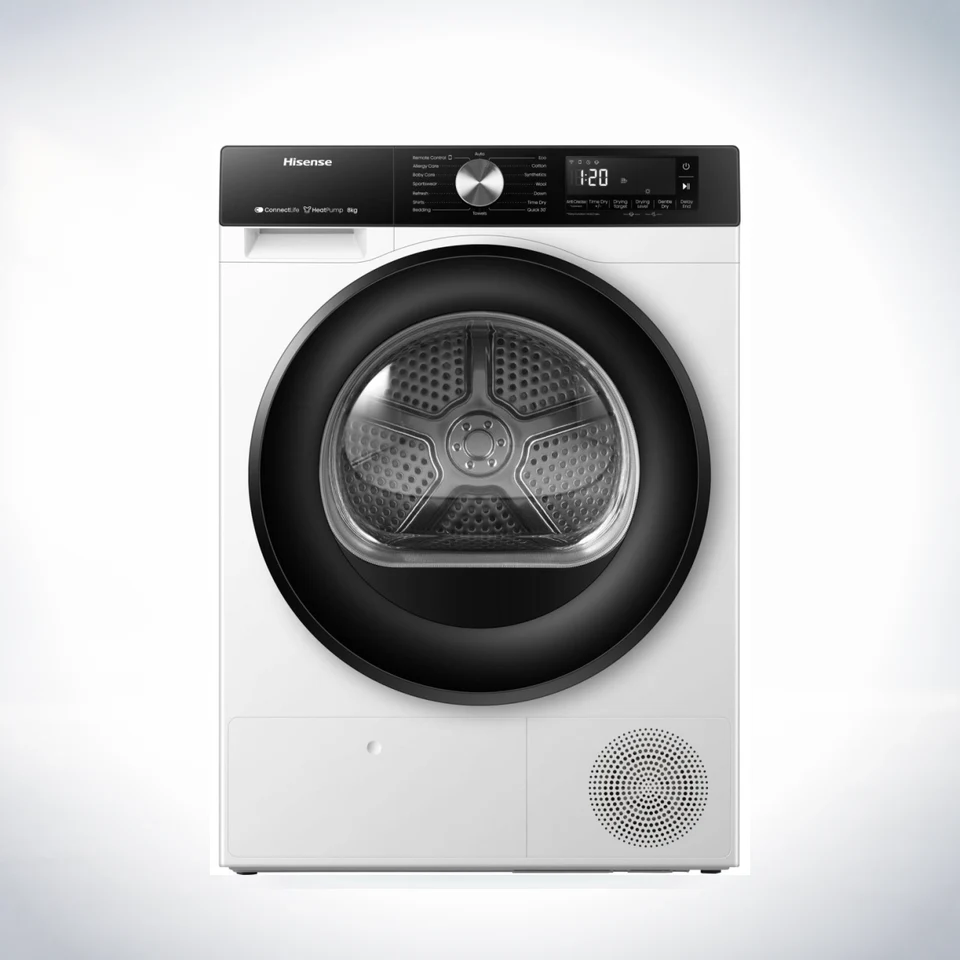
Compact heat pump route
- Good for regular use in smaller homes
- Better long-term running-cost logic
- Useful if space and efficiency both matter
Watch for: Higher upfront cost than many basic condenser dryers.
Best for: Small homes where the dryer will be used regularly.
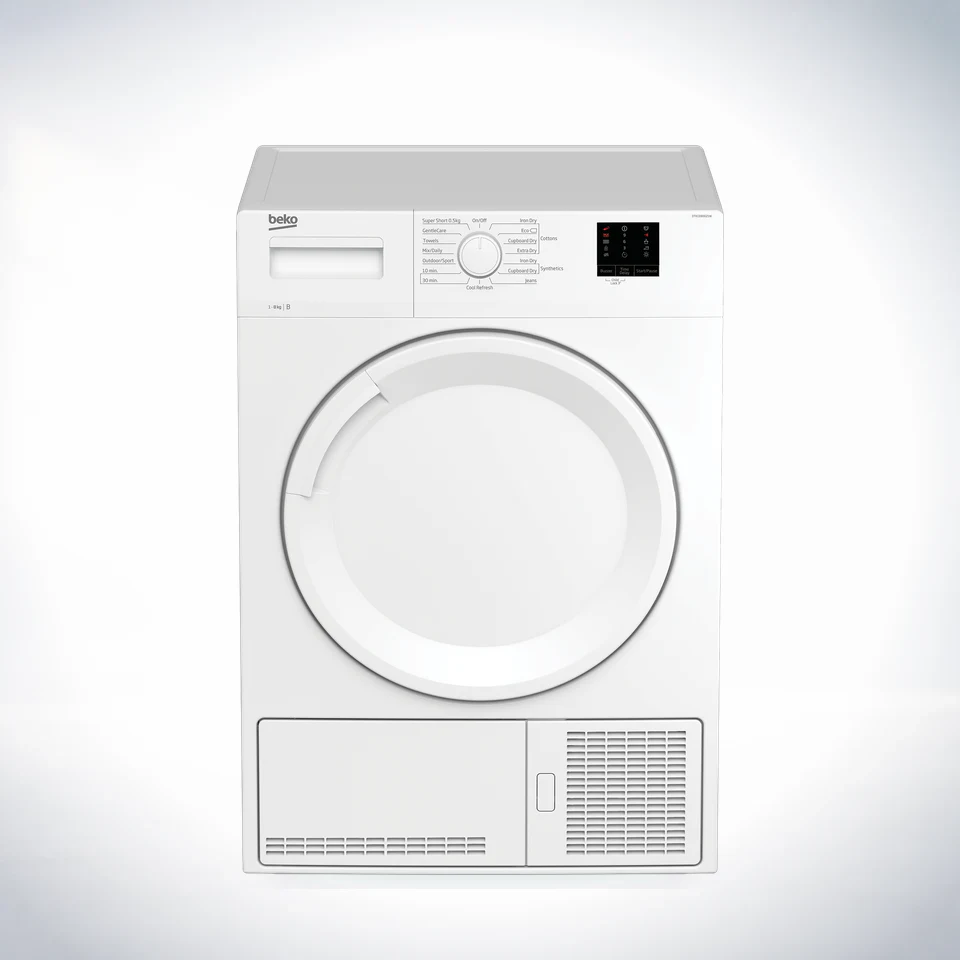
Budget compact route
- Lower upfront price route
- Useful if the dryer is used occasionally
- Practical for small homes with tighter budgets
Watch for: May cost more to run over time if used frequently.
Best for: Occasional drying and buyers focused on day-one cost.
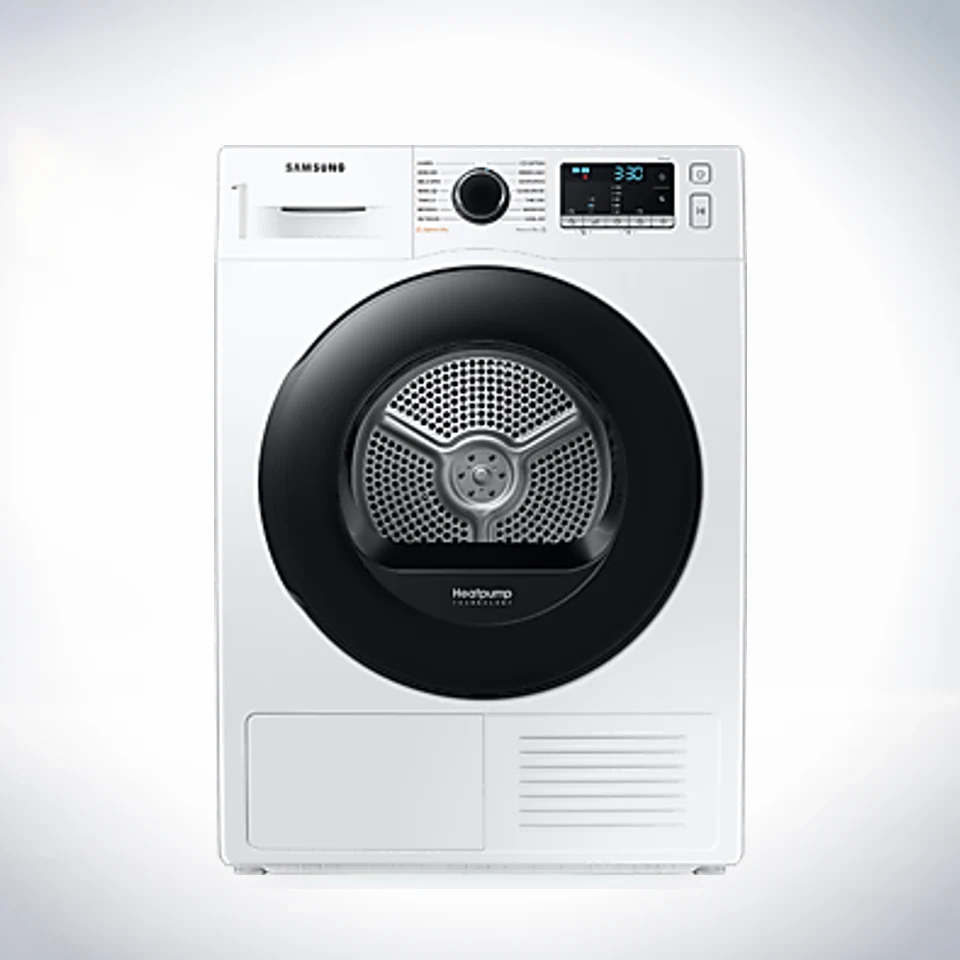
Balanced 8kg route
- Good balance of capacity and space
- Useful for small families, couples and flats
- Less limiting than choosing too small
Watch for: Check external dimensions, not just drum capacity.
Best for: Buyers who want a sensible all-round small-home dryer.
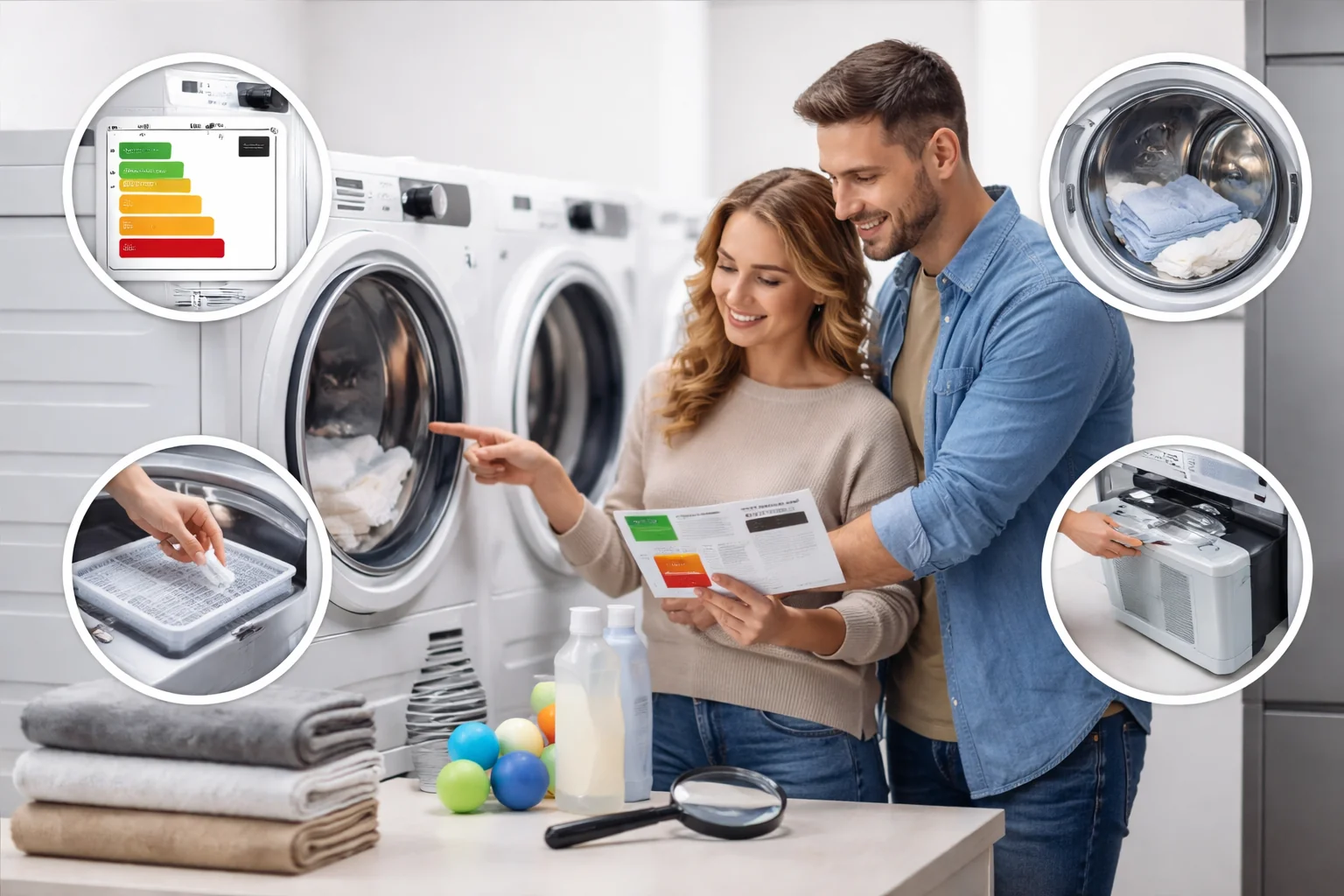
Placement-first route
- Best if your space is tight or awkward
- Focuses on access, airflow and safe fit
- Useful before comparing individual models
Watch for: Do not assume every dryer fits every cupboard or kitchen gap.
Best for: Flats, cupboards, narrow kitchens and tight utility areas.
Small dryers UK: compact and smallest heat pump checks
When buyers search for small dryers UK or the smallest heat pump tumble dryer, the most important check is not just drum capacity. Measure the physical space, door swing, water tank access, filter access and airflow around the machine. A compact-looking dryer can still be awkward if the door cannot open fully or the filter is hard to reach.
- Start with 7kg to 8kg for flats, couples and tighter spaces.
- Check depth and door clearance before comparing brand names.
- Use heat pump for regular drying if the budget allows and the model fits.
- Use condenser for lower upfront cost if the dryer is used lightly and placement is flexible.
If capacity is still unclear, compare tumble dryer sizes. If noise is the main concern, compare quiet tumble dryers.
What size tumble dryer works best in a small home?
Size is the first decision for many small homes. The aim is to avoid buying too large for the space, but also avoid buying too small for your real laundry routine.
| Size | Best fit | Small home verdict |
|---|---|---|
| 7kg | Very light use, singles or very limited space | Can work, but check usage |
| 8kg | Most small homes, couples, small families and flats | Best starting point |
| 9kg | Small homes with heavier laundry or family use | Useful if space allows |
Always measure the actual space, not just the drum size
Drum capacity tells you how much laundry the dryer can handle. It does not tell you whether the machine will fit your kitchen gap, cupboard, hallway route, door opening or ventilation setup.
Where will the dryer go?
In a small home, placement can decide whether a dryer feels practical or annoying. Think about access, airflow, noise and how often people use the room.
Kitchen placement
Common in UK flats and smaller homes. Noise, access and door clearance can matter as much as capacity.
Cupboard or enclosed space
Requires careful checking for space, airflow and safe manufacturer guidance before buying.
Stacked with washing machine
Can save floor space, but the setup must be suitable and stable with the right stacking kit.
Small utility area
A good option if available, because it can reduce noise and keep laundry out of main living space.
Choose heat pump if…
- You use the dryer regularly
- You care about running costs over time
- You plan to keep the machine for years
- You want better long-term efficiency logic
- You can accept a higher upfront price
Choose condenser if…
- Your upfront budget is strict
- You use the dryer only occasionally
- You need flexible placement
- Day-one cost matters more than long-term efficiency
- You want a simple practical route
Noise matters more in small homes
In a flat or small home, a dryer is often closer to living space. That makes noise and vibration more important than they might be in a house with a separate utility room.
Open-plan homes
Noise can feel more intrusive when the dryer is near the living area.
Evening use
A quieter dryer route is more useful if you dry clothes after work.
Flat living
Placement, vibration and floor type can all affect how loud the dryer feels.
Common mistakes when buying for a small home
- Buying too large for the available space
- Checking drum capacity but not external dimensions
- Ignoring airflow and placement requirements
- Choosing only on price and not daily usability
- Forgetting noise when the dryer sits near living space
- Buying too small and needing more drying cycles
Go deeper based on your priority
Once you know the dryer needs to suit a smaller space, use the next guide that matches your biggest remaining question.
Need a quiet dryer?
Use the quiet dryer guide if the machine is close to living or sleeping spaces.
Still choosing size?
Use the 8kg vs 9kg guide if you are unsure which capacity fits best.
Need running-cost logic?
Use the running cost page if the dryer will be used regularly.
Editorial and trust information
BuyDryer is built to help readers make clearer buying decisions, not just browse longer lists. This page is written and reviewed within the site’s editorial system and supported by visible policy and methodology pages.
Editorial standards: How we choose products · Editorial process · Corrections / feedback · Affiliate disclosure
Small home tumble dryer questions
What size tumble dryer is best for a flat?
For most flats and small homes, 8kg is usually the safest balance between useful capacity and practical size.
Can I use a heat pump dryer in a small home?
Yes, a heat pump dryer can be a good long-term choice in a small home if it fits the space and is used regularly.
Should I choose a smaller tumble dryer to save space?
Only if it still fits your real laundry needs. Buying too small can mean more cycles and more frustration.
Is a condenser dryer good for a small home?
A condenser dryer can be practical for small homes if upfront cost and flexible placement matter more than long-term efficiency.
What should I check before buying a dryer for a small space?
Check external dimensions, door clearance, airflow needs, noise, placement and whether the capacity fits your weekly laundry.
Choose the small-home route that fits your space
Start with where the dryer will go, then choose the right size, type and running-cost route for your real usage.